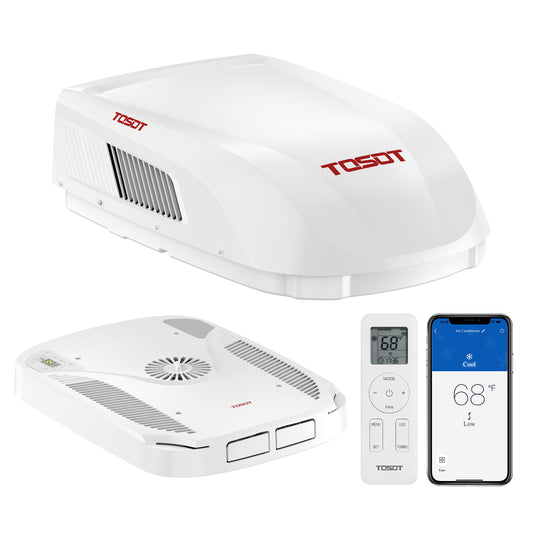


As winter sets in and temperatures begin to drop, many RVers are still planning road trips around the holidays. Whether you're heading south to escape the cold or traveling through chilly, windy regions, winter RV travel comes with its own set of challenges.
What Role Does Your RV AC Play in Winter Travel?
Your RV air conditioner isn’t the primary source of heat in cold weather—but that doesn’t mean it can be ignored. Using your RV AC incorrectly in winter can lead to unnecessary wear or even damage. With a bit of preparation and awareness, you can protect your AC system and keep it ready for the warmer seasons ahead.
Can You Use an RV AC in Winter?
Cooling Mode in Cold Weather
Most RV air conditioners are not designed to run in cooling mode when outdoor temperatures are low. If your AC doesn’t turn on during cold weather, it may have reached its built-in operating limit.
Running the AC below its recommended temperature range can cause problems such as improper refrigerant pressure or coil icing, which may damage the unit over time. As a general rule, avoid using cooling mode during winter travel unless outdoor temperatures are mild.
What About Heat Pumps?
Some RV air conditioners include a heat pump function. Heat pumps can be useful in cool—but not cold—conditions. As outdoor temperatures approach freezing, heat pump efficiency drops significantly and many systems will shut off automatically.
In true winter conditions, a propane furnace or electric space heater is typically a more reliable way to keep your RV warm.
RV AC Temperature Limits: What’s Safe in Cold Weather?
Both cooling and heating functions on an RV air conditioner are designed to operate within specific outdoor temperature ranges. These limits vary depending on the system design, model, and brand.
In cold weather, running an RV AC outside of its intended temperature range—whether in cooling mode or heat pump mode—can lead to reduced performance, automatic shutdowns, or unnecessary strain on the system. In many cases, the unit may simply refuse to start as a built-in protective measure.
Because temperature limits are not universal, the safest approach is to consult your AC manufacturer’s specifications. Brand-specific guidelines will clearly outline when cooling or heat pump operation is recommended, limited, or not advised at all.
How to Protect Your RV AC Before a Winter Road Trip
Clean the AC Before You Hit the Road
Before starting a winter trip, take time to clean your rooftop air conditioner. Over the course of the season, dirt, leaves, and debris can build up on the unit, restricting airflow and reducing efficiency.
Wash the Filters
Inside the ceiling unit, you’ll typically find two slim air filters located on either side of the control panel. Slide them out carefully, rinse them with water, and allow them to dry completely before reinstalling. If the filters are heavily soiled or worn, replacement is the better option.
Clean the Coils
Remove the AC shroud using a screwdriver and set the screws aside safely. Take off the foam covering the condenser and inspect the aluminum fins for dust or debris. Use a soft brush to gently clean the fins, then rinse with a garden hose or apply an RV AC coil cleaner foam.
Avoid using high-pressure water, as it can bend the fins and restrict airflow.
For step-by-step cleaning guidance, see this detailed guide: RV AC Maintenance Tips for How to Clean Coils and Filters
Inspect Seals, Mounts, and Potential Damage
Winter travel exposes your RV to rain, snow, wind, and rapid temperature changes. Before heading out, inspect your air conditioner for any signs of leaks, cracks, or physical damage.
Check the Roof Seals
The seal around your rooftop AC can degrade over time. Inspect the roof seal for cracks, gaps, or loose areas and repair them as needed. A solid seal helps prevent water intrusion during rain or snowstorms, reducing the risk of internal damage.
Reseal the AC Unit if Needed
If resealing is necessary, use an RV roof sealant designed for rooftop equipment and follow the manufacturer’s instructions carefully. Proper sealing adds an extra layer of protection during harsh winter conditions.
Inspect the Condenser and Evaporator Coils
While cleaning, take a moment to ensure there’s no remaining debris or blockage on the condenser and evaporator coils. Dust buildup can reduce efficiency and force the system to work harder when temperatures rise again. Keeping the coils clear helps extend the life of your AC.
Should You Cover Your RV AC in Winter? Travel vs. Parking
If you’re actively traveling and using your RV, it’s best not to cover the air conditioner. RV AC units are built to handle outdoor exposure and require proper airflow while in operation.
If your RV will be parked for an extended period between trips, using a cover can make sense. Choose a breathable cover that won’t trap moisture, as trapped condensation can lead to corrosion or mold over time.
Share Your Winter RV Travel Experience
Winter RV travel often comes with unique challenges, and every RVer has valuable insights to offer. If you have tips, lessons learned, or firsthand experience traveling with your RV in cold weather, we’d love to hear from you.
Feel free to reach out and share your thoughts with us at marketing@tosotdirect.com.