



Your mini split switches into heating mode, and you notice something unexpected: a sound like running water, a few clicks, or a sharp pop from the indoor unit.
Should you be worried?
Brief water-flow sounds, light clicks, and occasional pops are normal. But persistent rattling, repeated loud bangs, or noises accompanied by poor heating deserve attention.
The key is knowing when the noise happens, how long it lasts, and whether your system is still heating properly. Here's what to look for.
Mini Split Heating Noises at a Glance
| Sound | Usually Normal If… | Call for Service If… |
|---|---|---|
| Water flowing or gurgling | It happens briefly at startup or shutdown, then fades | It gets louder or comes with poor heating or indoor water leaks |
| Light clicking | It happens occasionally as the unit heats up or cools down | It repeats constantly or comes with a stuck air louver |
| Popping or cracking | You hear a few light pops as temperatures change | Pops become loud, frequent, or get worse over time |
| Outdoor whooshing | It happens during defrost and heating resumes afterward | Heavy ice remains or you hear scraping or grinding |
A noise alone doesn't tell you what's wrong, but these patterns help you decide what to do next. Please pay attention to when it happens and whether anything else changes.
1. Water-Flowing or Gurgling Sounds
What's Causing the Sound?
A ductless mini split circulates refrigerant between its indoor and outdoor units. Refrigerant movement and pressure changes can create a sound resembling running water or bubbling, especially just after the compressor starts or stops.
A water-like sound doesn't automatically mean there's a leak or low refrigerant. If the noise fades and your system heats normally, it's usually nothing to worry about.
When Should You Call for Service?
Pay closer attention if the sound changes noticeably and the room no longer warms as expected. A technician should assess the complete symptoms rather than assume the system needs more refrigerant.
Also distinguish sound from visible water.
- Water beneath the outdoor unit: This can be normal during heating or defrost as frost melts off the outdoor coil.
- Water dripping from the indoor unit: This isn't normal and should be checked.
→ If you notice actual water dripping from your indoor unit, check out our guide on why your mini split is leaking water and how to address common drainage issues.
2. Clicking or “Tick-Tick” Sounds
When Is Clicking Normal?
An occasional light click may come from materials shifting as the indoor unit heats up or cools down. This is most reassuring when it happens briefly around a temperature change and the unit continues working normally.
When Should You Be Concerned?
Repeated clicking may point to a moving part that needs attention. Watch for these signs:
- Clicking every time the air louver swings.
- A louver that sticks, jerks, or won't move properly.
- A rhythmic tick continues while the indoor fan runs.
- Clicking that turns into rattling or vibration.
Possible causes include a loose louver, a problem with the swing motor, or an issue with the blower assembly. If the noise started right after installation, the indoor unit's mounting or blower alignment may also need to be checked.
Have a technician inspect the unit rather than trying to replace or adjust internal parts yourself.
3. Popping or Cracking Sounds
Why Does My Mini Split Pop During Heating?
As your mini split heats up, its plastic panels and other components expand. When the unit cools down, they contract. These small movements can cause light popping, cracking, or creaking sounds.
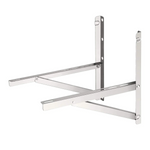
A few occasional pops during startup or shutdown are usually harmless. However, improper mounting can also cause popping, especially if the indoor unit isn't secured properly or the mounting bracket is under stress. Piping that presses against the cabinet may also create unusual noises.
What If the Noise Is Loud?
Loud or repeated bangs shouldn't be ignored, especially if the unit shakes or vibrates. The mounting bracket, cabinet panels, refrigerant lines, or other components may need inspection.
Don't press on the cabinet, tighten internal screws, or add padding inside the unit to stop the noise. Have a qualified technician check it instead.

4. Why Does My Mini Split Make Noise During Defrost?
In cold, damp weather, frost can build up on your outdoor coil. Your mini split system periodically runs a defrost cycle to clear it and keep heating efficiently.
During defrost, you may notice:
- A temporary whooshing or rushing sound.
- Changes in refrigerant-flow noise.
- A brief pause in warm airflow from the indoor unit.
- Water draining beneath the outdoor unit.
- Steam or vapor rising from the outdoor unit as frost melts.
These are generally normal parts of the defrost process. Once defrost is complete, heating should resume. The timing varies by model and outdoor conditions.
If heavy ice remains, the unit doesn't return to heating, or unusual mechanical noises continue, contact your installer.
What to Check Before Contacting TOSOT Support
Have your TOSOT model number ready, along with a short audio or video recording if possible. These details can help speed up troubleshooting.
Before contacting support, note:
- Where the noise comes from: Indoor unit, outdoor unit, or connecting pipes.
- When it happens: At startup, shutdown, during heating, or during defrost.
- What it sounds like: Occasional, continuous, rhythmic, or getting louder.
- Other symptoms: Weak heating, error codes, water leaks, ice buildup, or vibration.
Follow your model's manual for routine maintenance, such as cleaning accessible air filters. Leave electrical, refrigerant, and internal mechanical work to a qualified HVAC technician.
⚠️Safety first: If unusual noises come with a burning smell, damaged wiring, or repeated breaker trips, stop using the system. Disconnect power if it's safe to do so and contact a qualified professional.
→ Learn what these codes mean: F0, H5, E8, and More Troubleshooting Guide
FAQs
Q: Does Gurgling Mean My Mini Split Is Low on Refrigerant?
A: No. Refrigerant moving through the system can cause normal gurgling sounds. Noise alone can't tell you whether the refrigerant level is low.
Q: Is Popping After Shutdown Normal?
A: Yes, a few light pops can happen as the unit cools and its components contract. Loud or repeated popping should be checked.
Q: Should I Turn Off My Mini Split Whenever It Makes a Noise?
A: Not necessarily. Brief, familiar sounds with normal heating usually aren't a concern. But if the noise is new, gets louder, or comes with poor heating, have the system checked.