
If you’re shopping for a high-efficiency mini split system, your local utility company may help cover part of the cost.
Many homeowners focus only on the upfront price of a ductless heat pump. But across the U.S., utility providers continue offering rebates for qualified ENERGY STAR® heat pump systems that meet efficiency standards.
Depending on your location, you may qualify for:
- $200–$500 rebates for standard installations
- $1,000+ incentives through electrification programs
- Additional state or local energy incentives
- Utility-sponsored energy efficiency programs
Where to Find HVAC Rebates
Start with your local utility provider’s website. You can also check:
- ENERGY STAR Rebate Finder
- DSIRE Database
- State energy offices and local electrification programs
Rebates are commonly available in states like California, Colorado, New York, Massachusetts, Washington, Minnesota, and Vermont, though eligibility varies by ZIP code and utility provider.
In some areas, utility rebates can be combined with state or local incentive programs to maximize savings. Since rebate availability and requirements change frequently, it’s best to verify all programs before purchasing.
Why Utility Companies Offer Mini Split Rebates
Utility companies encourage homeowners to upgrade to more efficient HVAC equipment because reducing energy consumption helps lower strain during peak demand periods.
Compared with older systems, modern inverter-driven mini splits can:
- Reduce wasted energy through variable-speed compressor operation
- Maintain more stable indoor temperatures without frequent on/off cycling
- Provide both heating and cooling from a single ductless system
- Consume significantly less electricity over time than electric resistance heating
According to ENERGY STAR, qualified heat pump systems can reduce heating energy use by up to 50% compared to electric resistance systems like baseboard heaters.
That’s why many rebate programs commonly require:
- ENERGY STAR certification
- Cold Climate certification (for heating-focused incentives)
- AHRI system verification
- Minimum SEER2 and HSPF2 efficiency ratings
These standards help utilities ensure incentive programs support products that deliver measurable energy savings.

TOSOT Mini Split Series: Certifications at a Glance
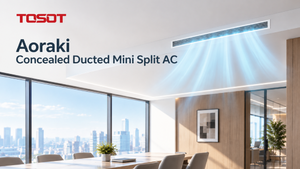
TOSOT offers two mini split series engineered around efficiency, comfort, and year-round performance — the Aoraki and Cosmo series. Each carries key certifications that can simplify the rebate qualification process.
|
Series |
System Type |
ENERGY STAR® |
Cold Climate Certified |
AHRI Certified |
SEER2 |
|
Single-Zone |
✅️ |
✅️ |
✅️ |
Up to 24.5 |
|
|
Single-Zone |
✅️ (Select models only) |
— |
✅️ |
19–22 |
|
|
Multi-Zone (2–4 zones) |
✅️ |
— |
✅️ |
21 |
→ Learn More about TOSOT Cosmo vs. Aoraki: Which Single-Zone Mini Split Is Right for You?
Because incentive requirements vary between utilities, homeowners should always confirm specific program requirements before installation.
What You Typically Need for Rebate Applications
Most utility rebate programs request:
- Purchase receipt
- Installer invoice
- AHRI certificate (available from the AHRI Directory at ahridirectory.org)
- Product model number and serial number
- ENERGY STAR documentation
Some programs may also require:
- Licensed HVAC contractor installation
- Approved contractor participation in the utility’s program
- Matched indoor/outdoor mini split system combinations
Before installation, it’s a good idea to:
- Verify eligibility requirements with your utility
- Review local utility rules and deadlines
- Save all product paperwork, including AHRI certificates and ENERGY STAR documentation
Spending a few minutes preparing beforehand can help avoid delays or missed incentives later.
→ Check More Documents for TOSOT mini split system here
Final Thoughts
A high-efficiency mini split is about more than comfort — it can also reduce long-term operating costs while helping homeowners take advantage of available incentives.
Before choosing your next ductless system, take a few minutes to explore available rebates and local incentives in your area, as programs vary by utility and region. Checking what’s offered before purchasing may help reduce your overall project cost.
Learn More About Rebates
2026 SMUD Heat Pump Rebates: Save on Efficient Home Heating & Cooling